

You have probably washed the tiny clothes, set up the cot, and packed your hospital bag.
But what about preparing for what happens when you actually come home?
In New Zealand we spend a lot of time getting ready for birth. Antenatal classes, hospital tours, birth plans. All important things.
What tends to get less attention is what happens after.
Those first weeks at home can be physically demanding, emotional, and very sleep deprived. A bit of preparation before baby arrives can make that transition feel a lot more manageable.
Most of the time it is not about buying more things. It is about setting yourself up with the right support and a few simple systems at home.
Here are a few practical ways to prepare for postpartum before your baby arrives.
1. Build your village before you need it
You have probably heard the phrase “it takes a village”.
It can feel a bit cliché, but once a baby arrives the value of having people around you becomes very real.
Many parents only start asking for help once they are already exhausted. It can be easier to organise support while you still have the headspace.
Have clear conversations with people
When friends and family say “let me know if you need anything”, they usually mean it. But when the moment comes, it can feel surprisingly hard to ask.
Instead, think about the kind of support that might actually help in those early weeks.
For example:
-
Who might be able to drop off a meal?
-
Who could hold the baby while you shower or nap?
-
Who could help with groceries, pets, or older children?
-
Who is someone you could message if things feel overwhelming?
People often want to help. Giving them a clear way to do that makes it easier for everyone.
Know what support exists in New Zealand
Aotearoa does have some great postpartum support available. It is helpful to know about these services ahead of time rather than trying to find them when you are already tired.
Some of the main ones include:
-
Your LMC (Lead Maternity Carer), who provides care for up to six weeks after birth
-
PlunketLine on 0800 933 922, available 24 hours a day
-
Your GP, who can support both physical recovery and mental health
-
Local parent groups or Parent Centre classes
Saving these contacts in your phone now can make things easier later.
2. Stock the freezer
One thing we hear again and again from new mums is how helpful it is to have meals ready to go.
In the first couple of weeks at home, even simple things like cooking dinner can feel like a big task. Having food prepared ahead of time takes one thing off your plate.
Good meals to prepare
Some options that tend to work well include:
-
Soups and broths that are easy to heat and eat
-
Slow cooked stews or curries
-
Muffins or snack bakes for quick energy
-
Bliss balls or protein snacks
-
Overnight oats that are ready in the fridge
If you are planning to breastfeed, snacks with oats or flaxseed can also be helpful for keeping your energy up.
A few simple freezer tips
-
Label meals clearly so you know what they are
-
Freeze individual portions where possible
-
If people ask what they can bring, a freezer meal is always useful
The aim here is not elaborate cooking. It is simply making sure you have nourishing food available without needing to think about it.
3. Set up a postpartum care station
Before baby arrives, it can help to set up a small space with the things you will use regularly.
For many parents this ends up being beside the bed or on the couch where feeds happen.
Having everything within reach means you are not constantly getting up when you are tired or recovering.
Things that can be helpful to keep nearby
-
A large water bottle
-
Easy snacks you can eat with one hand
-
Maternity pads and postpartum recovery products
-
Any medications you may need
-
A phone charger
-
Headphones or something to watch during night feeds
-
A small nappy changing setup
A simple basket or caddy works well for this.
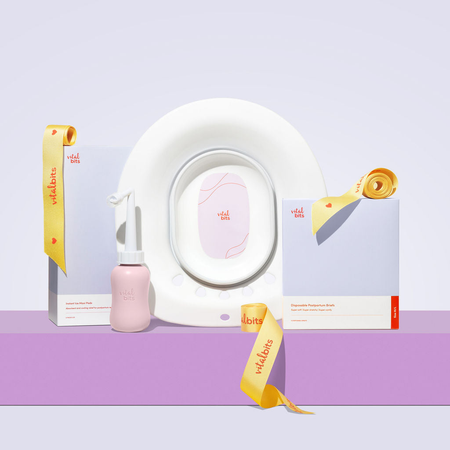
If you want to simplify things, our postpartum care packs include many of the recovery items mums end up needing in those early weeks.
4. Support your body before birth
Postpartum recovery does not start after the baby arrives. There are a few things during pregnancy that can support your body beforehand.
Consider seeing a pelvic floor physio
Pelvic floor physiotherapy during pregnancy can be really helpful.
A physio can assess your pelvic floor, show you the right exercises, and help you understand what recovery might look like after birth. Many mums only see a physio once they already have symptoms, so starting earlier can be useful.
Gentle movement
If it feels comfortable for you, light movement during pregnancy can support circulation and overall wellbeing.
This might include:
-
Walking
-
Swimming
-
Prenatal yoga or pilates
The focus is simply staying comfortable and keeping your body moving.
Rest where you can
Pregnancy often comes with a long list of things to prepare before baby arrives.
Try not to fill every spare moment with tasks. Rest is also part of preparation.
Focus on nourishing food
Eating regularly and staying hydrated helps support your body as it prepares for birth and recovery.
Iron rich foods, protein, and plenty of fluids can all help during this stage.
5. Prepare your home for recovery
A few small adjustments around the house can make those first couple of weeks easier.
Bedroom setup
Before heading to hospital, it can help to prepare your bedroom with:
-
A waterproof mattress protector
-
Extra pillows for feeding support
-
A soft bedside lamp or nightlight
-
Water, snacks, and nappies within reach
Think about everyday movement
If you have stitches or a caesarean birth, bending and reaching can be uncomfortable initially.
Placing frequently used items at waist height and clearing pathways can make things easier while you recover.
Sort a few practical things early
Some small tasks are easier to organise before birth:
-
Pre registering with Plunket
-
Saving your LMC’s contact details
-
Arranging care for pets or older children
-
Stocking up on household basics
Getting these sorted early removes a bit of stress later.
6. Prepare for the emotional side of postpartum
Postpartum recovery is not just physical.
Many parents experience a wide mix of emotions in the weeks after birth. Joy, exhaustion, uncertainty, and overwhelm can all show up.
Understanding this ahead of time can make the experience feel less isolating.
Baby blues and postpartum depression
Baby blues are common in the first week or two after birth. Hormonal changes and sleep disruption can lead to emotional ups and downs.
Postpartum depression or anxiety lasts longer and can affect how you feel day to day.
Around one in five mothers in New Zealand experience postpartum depression or anxiety. If you notice ongoing low mood, anxiety, or a sense that something is not right, speaking to your LMC or GP can be an important step.
Talking with your partner
Sleep deprivation can make communication harder.
Before baby arrives it can help to talk about things like:
-
How you might approach night feeds
-
What support looks like when one of you is overwhelmed
-
How you will check in with each other
These conversations can make those early weeks feel more manageable.
You are not meant to do this alone
Preparing for postpartum does not mean having everything perfectly organised.
Some plans will change once the baby arrives. That is completely normal.
What helps most is having a bit of support in place, some meals ready to go, and a home environment that makes recovery easier.
Those early weeks are a big adjustment. Having a few things sorted ahead of time can make the transition feel a little gentler.


